 Skip to main content








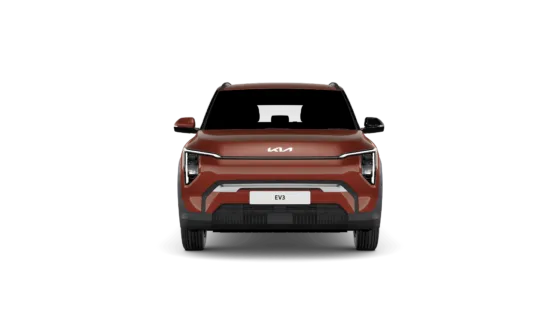
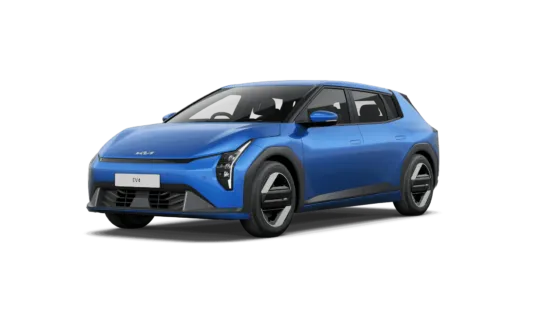
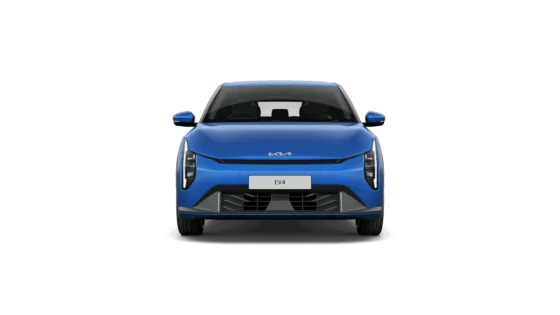
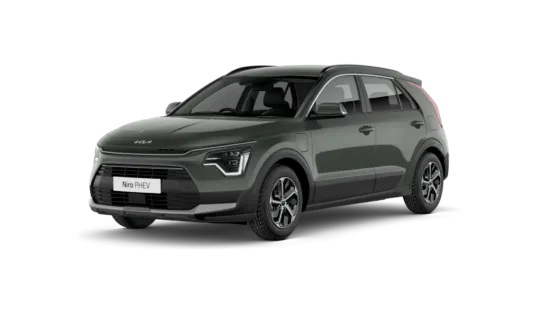




Keep the vehicle
Pay the optional final payment and any required fee to take ownership. Check the exact amount and due date in your agreement.


Personal Contract Purchase, usually called PCP, lets you defer part of a vehicle’s cost until the end of the agreement. You decide then whether to pay the optional final payment and keep it or return it under the agreement’s conditions.
You agree any deposit, the term and an annual mileage allowance. The agreement sets out the repayments and the optional final payment. The finance provider owns the vehicle until you have made the payments needed to take ownership.
Deferring part of the cost can reduce monthly payments compared with paying off the full amount over the same term, but it leaves a larger payment if you want to keep the vehicle. Compare the whole agreement, including interest and the total amount payable.
Pay the optional final payment and any required fee to take ownership. Check the exact amount and due date in your agreement.
Return it under the agreement’s mileage and condition requirements. Excess mileage or damage outside the agreed standards can result in charges.
If you want to change vehicles, we can help you review the settlement and any part-exchange value. Equity is not guaranteed and any shortfall still needs addressing.
Look at the deposit, any lender or manufacturer contribution, repayment term, monthly payments, APR, total amount payable and optional final payment. Check the mileage allowance, excess-mileage rate and return conditions too.
PCP includes an option to take ownership, rather than an obligation to pay the optional final payment. The return option is subject to the agreement’s conditions. Read those conditions before signing.
Tell us about your current vehicle and any outstanding finance. We need to confirm its value and settlement before agreeing how it contributes to your next purchase.
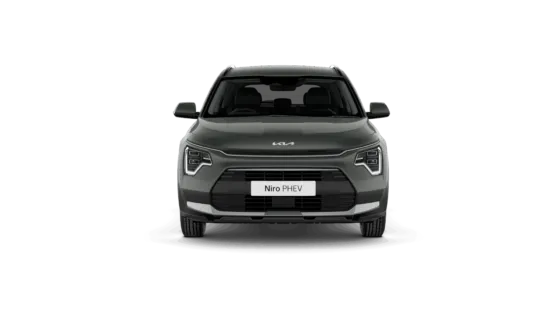
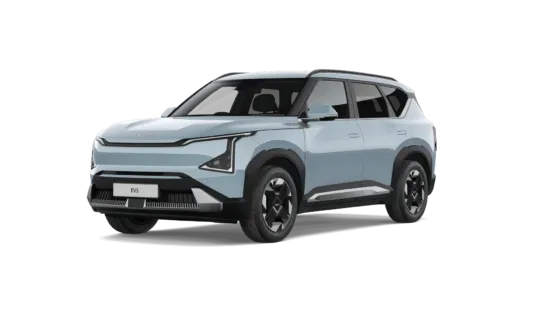
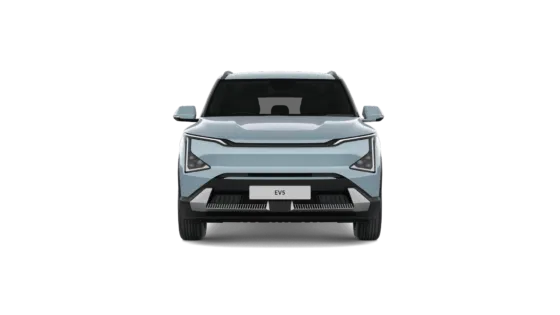
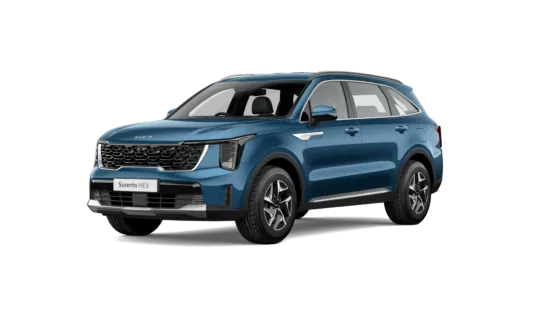
Our current offers show the example for the named model and version. We can help explain the details before you apply.
We couldn’t load these vehicle details. Please try again or open the full vehicle page.
Loading vehicle photos…
We’re preparing the photography. You can still explore this vehicle’s details below.
