 Skip to main content






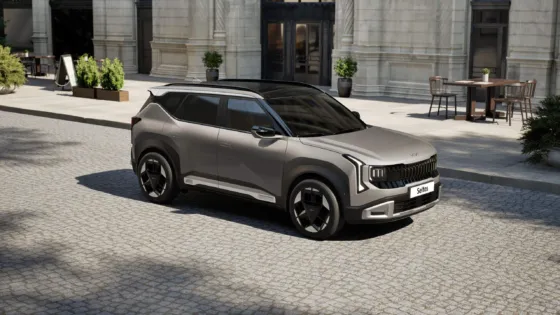
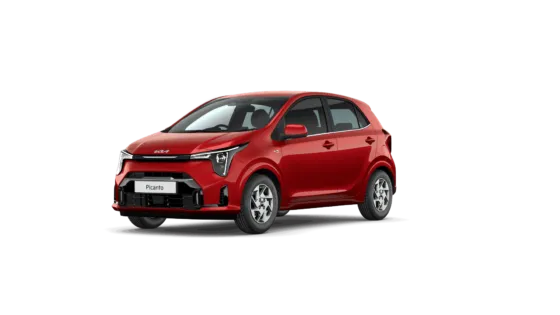
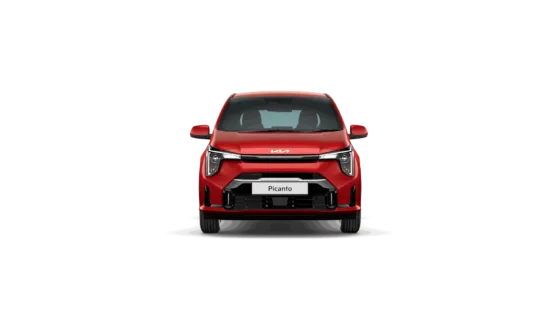
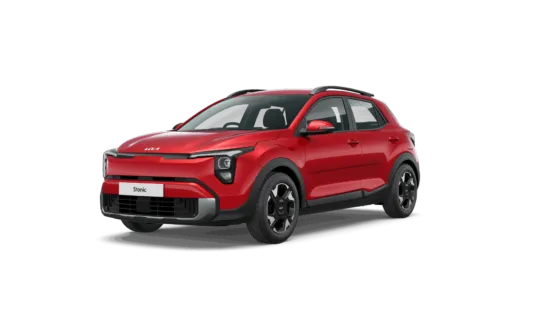


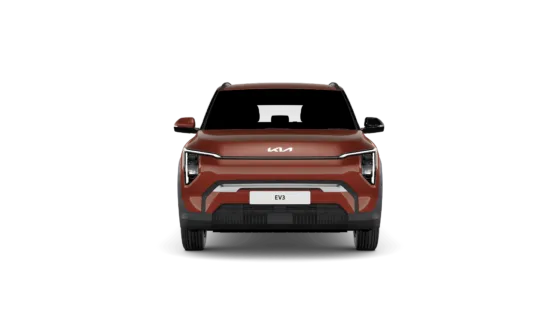
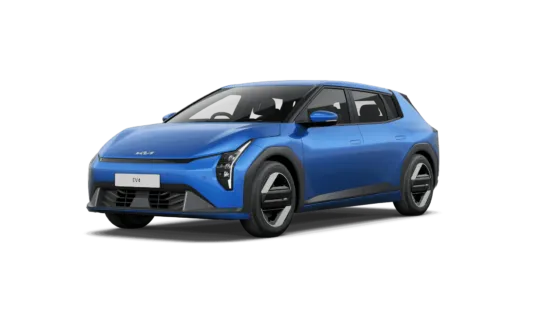
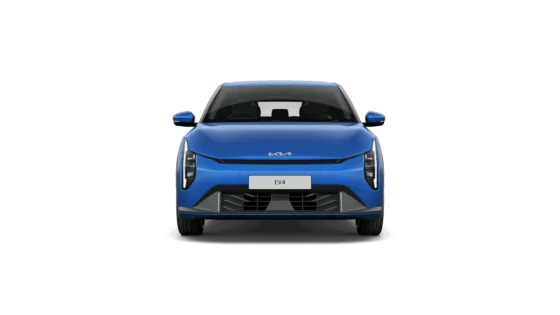
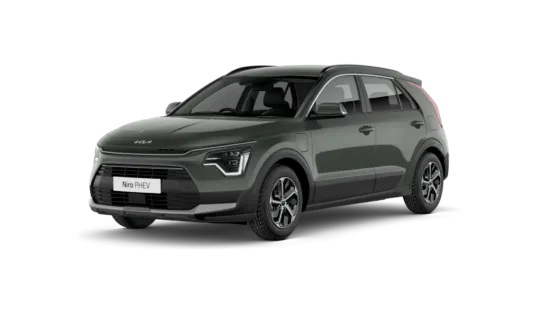

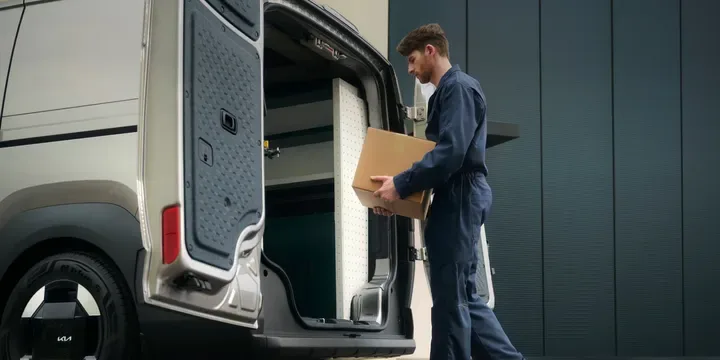




How far do you travel?
Compare typical daily mileage and longer journeys with the model’s published range and charging information.
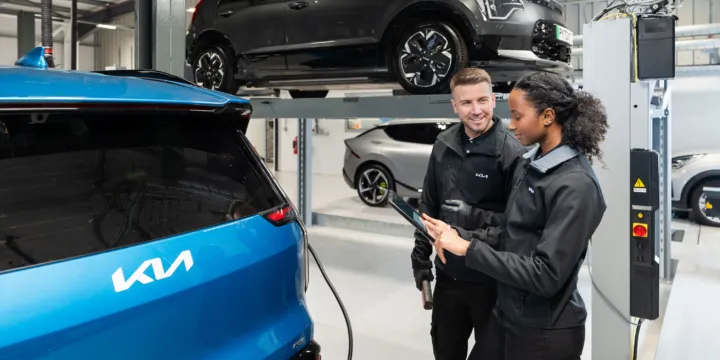

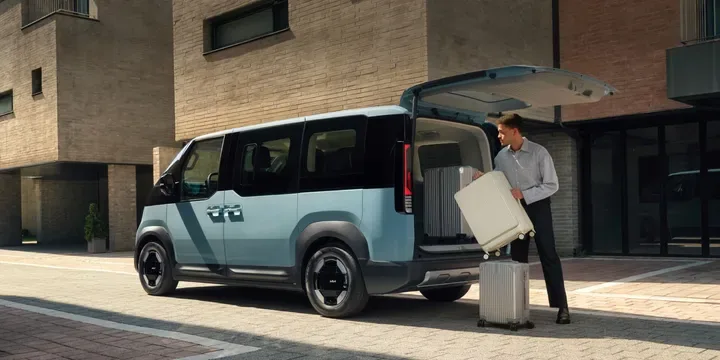
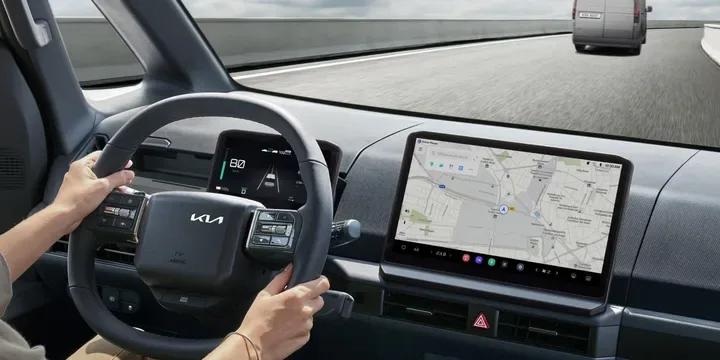


We can help you compare electric vehicles around the way your business and drivers work.
Compare typical daily mileage and longer journeys with the model’s published range and charging information.
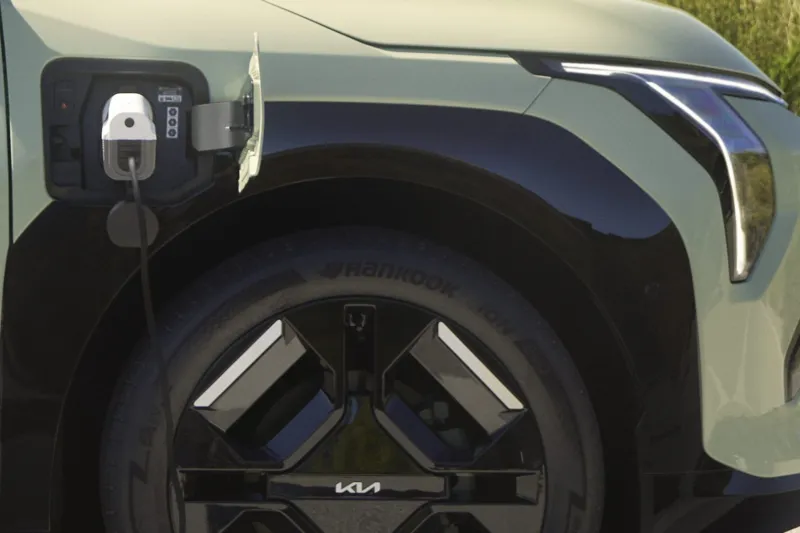
Consider home, workplace and public charging access, including parking and installation needs.
Compare realistic energy tariffs, insurance, servicing and funding costs for your own use.
Think about familiarisation, charging access and how journeys will be planned.
Electric vehicles can have different company-vehicle tax treatment from petrol or diesel models. The outcome depends on the vehicle, the tax year and your circumstances. Check the current company-vehicle tax guidance with your tax adviser.
Electric vehicles are no longer automatically exempt from vehicle tax. The rules changed from April 2025. Use the current GOV.UK vehicle-tax guidance when comparing costs.
Published range and charging figures are comparative test results. Weather, speed, load and charging conditions can affect real-world results. Check the figures and qualifications for the model you are considering.
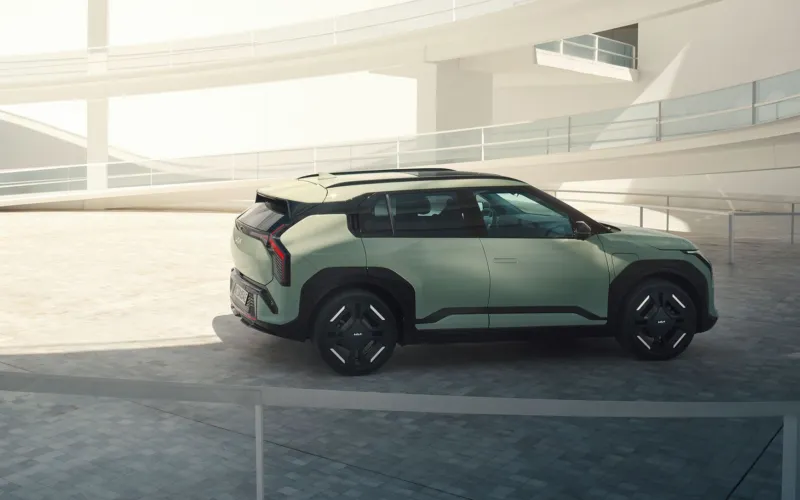
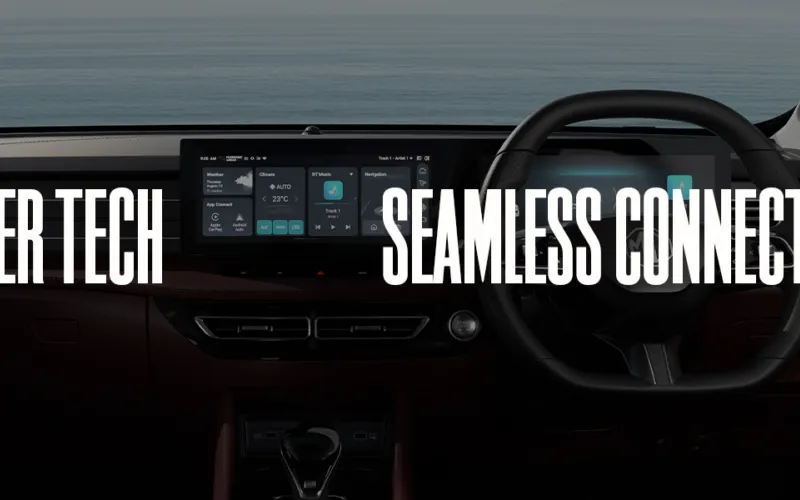
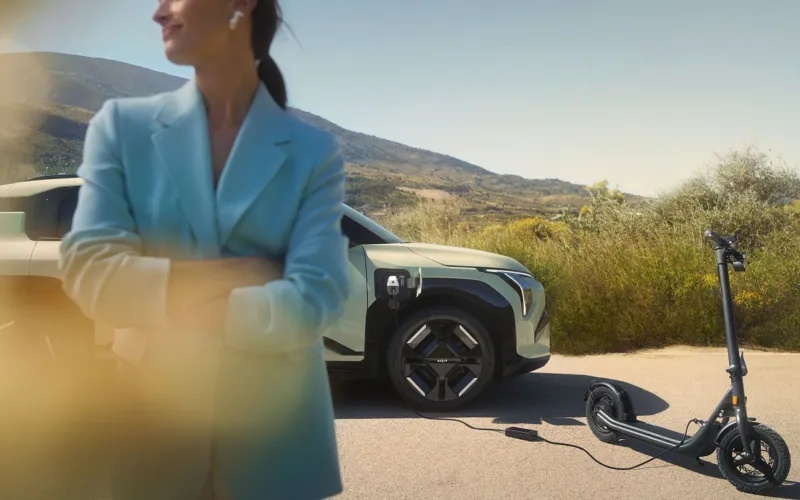
Check the practical considerations and current grant guidance.
The right choice depends on the journeys, load or passenger needs and charging access. Compare realistic daily use with model-specific information.
No. Electric-vehicle tax rules changed from April 2025. Check the current GOV.UK guidance for the vehicle and its registration date.
Eligible organisations may be able to use the Workplace Charging Scheme. Check the current rules before commissioning an installation.
Tell us about your routes, drivers and charging access.
We couldn’t load these vehicle details. Please try again or open the full vehicle page.
Loading vehicle photos…
We’re preparing the photography. You can still explore this vehicle’s details below.
